

Is It Time to Replace Your HVAC System in Little Rock? Signs & Costs
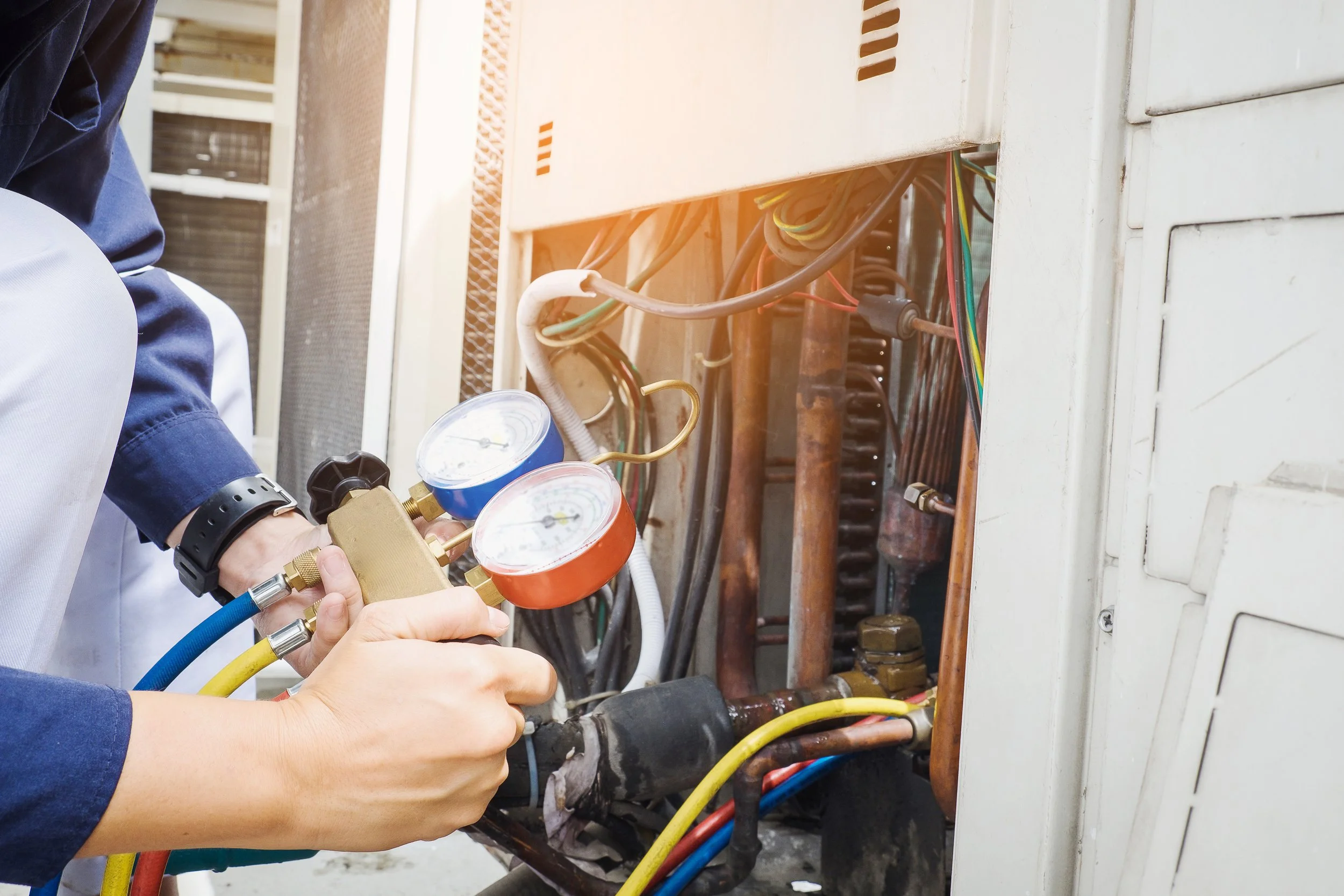
Heating and cooling systems do not last forever. Many homeowners in Central Arkansas begin to question whether ongoing repairs are worth the cost or if replacement is the smarter long-term decision. Understanding the warning signs and cost considerations can help determine the right time to move on and purchase a replacement.
How Old Is the Current System?
Age is one of the strongest indicators. Most HVAC systems last between 10–15 years, depending on maintenance and usage. If a system is approaching or exceeding that range, homeowners may notice:
Reduced efficiency
More frequent breakdowns
Difficulty maintaining consistent temperatures
Outdated technology
While HVAC repair in Little Rock, AR, can resolve minor mechanical issues, older systems often lose efficiency even after repairs.
Repair Frequency vs Replacement Value
One practical rule homeowners consider is the cost comparison between repairs and replacement. When repair expenses begin adding up, replacement may offer better value.
Signs that repairs may no longer be cost-effective include:
Multiple service calls within a year
Major component failures (compressor or motor)
Increasing refrigerant-related issues
Escalating energy bills
In some cases, homeowners in surrounding areas who previously relied on air conditioning repair in North Little Rock, AR, discover that repeated fixes only provide short-term relief. Investing in a new system can reduce ongoing service expenses and improve reliability.

Performance & Comfort Issues
An aging system may continue running but fail to provide proper comfort. Warning signs include:
Uneven cooling between rooms
Longer run times
Excess humidity indoors
Loud operational noises
These performance gaps often signal declining internal components. While air conditioning repair in Little Rock, AR, may address isolated issues, widespread wear can indicate that replacement is the more practical solution.
Understanding Replacement Costs
The cost of a new HVAC system depends on:
Home size and layout
Energy efficiency rating (SEER)
Ductwork condition
Installation complexity
Although upfront expenses are higher than a single repair, newer systems often deliver:
Lower monthly utility bills
Improved indoor air quality
Quieter operation
Manufacturer warranty protection
Homeowners who repeatedly schedule HVAC repair service in Little Rock, AR, may find that upgrading reduces long-term operating costs.
Helping You Make a Well-Informed Choice
Evaluating system age, repair frequency, efficiency, and comfort concerns helps homeowners determine whether replacement is justified. An experienced HVAC contractor can assist homeowners in comparing options and help them understand when they should opt for repair and when they should replace their HVAC systems.
If you're looking for professional guidance on HVAC repair or system replacement options, we at Baldwin Empire Services can assist you with this. Schedule a consultation to explore energy-efficient upgrades that improve comfort and peace of mind.